
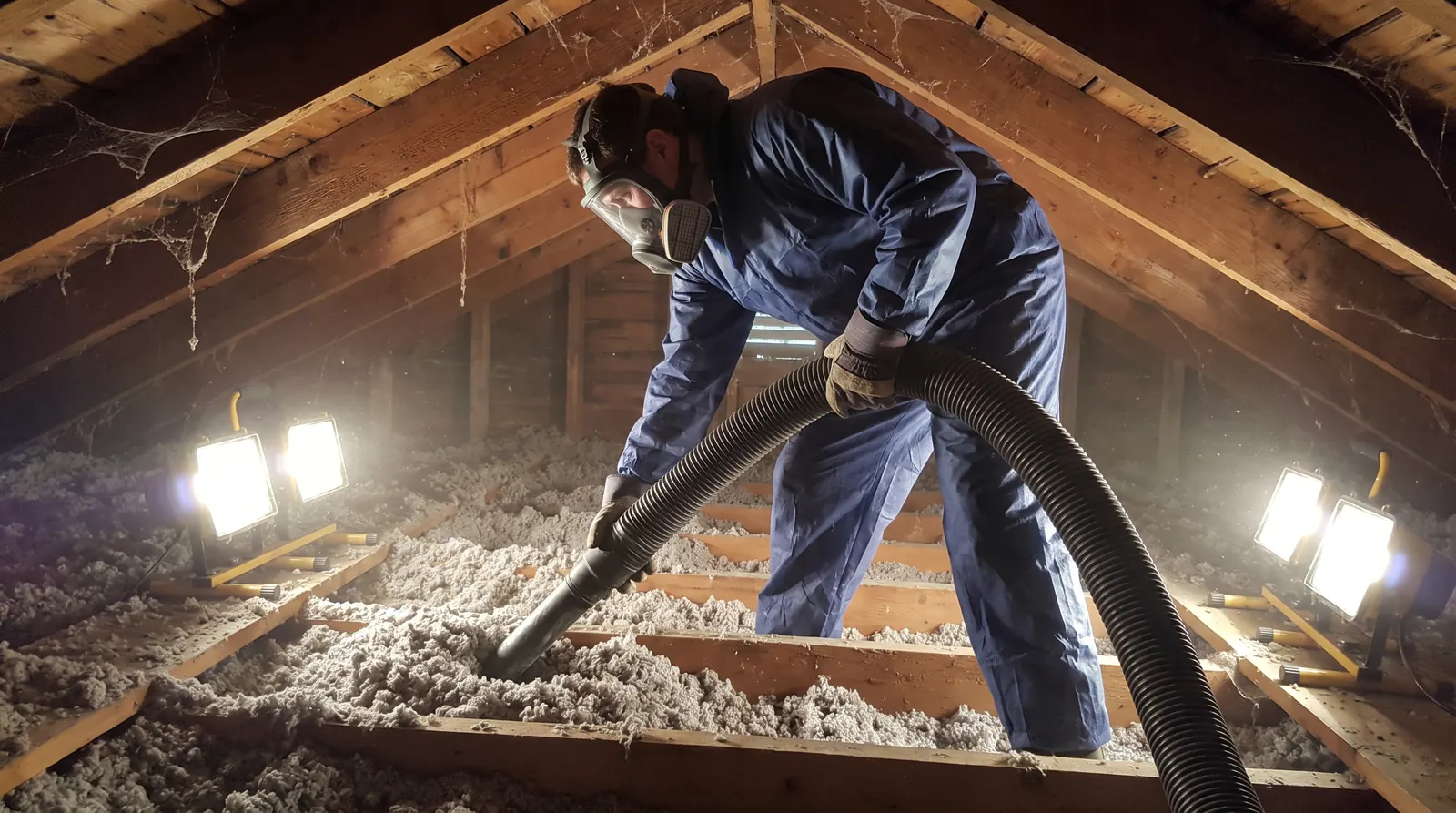
Use this practical checklist to prepare for an attic insulation inspection and understand the observations that may matter in a Phoenix Valley home.
The attic is easy to ignore because it is out of sight, but it is an important boundary between the living area and the space beneath the roof. In Phoenix Valley homes, attic conditions can be demanding for materials, ductwork, and anyone entering the space. A thoughtful insulation inspection looks beyond the question of whether insulation is present. It considers coverage, continuity, access points, visible openings, and how the attic relates to the rest of the home.
This checklist is designed to help homeowners prepare for a professional review or organize questions before planning work. It is not an invitation to enter an attic that feels unsafe, excessively hot, or difficult to access. When in doubt, leave attic access to an appropriately equipped professional.
Before the inspection
Gather basic background information. If you know when insulation was added, whether the home has been remodeled, or whether people have previously worked in the attic, write it down. Note any rooms that feel different from nearby rooms, especially spaces directly below the attic. Also record concerns such as visible ceiling staining, a draft near an attic access panel, or insulation that has appeared in a living area.
Clear a safe path to the attic access if possible. The inspector may need room for a ladder, tools, and protective equipment. Do not stack belongings on the access panel or attempt to move wiring, ductwork, or stored materials inside the attic.
What an inspection may look for
- General coverage: Insulation should be reviewed for areas that appear sparse, uneven, compressed, displaced, or missing. A continuous-looking layer is different from scattered material with exposed ceiling surfaces between it.
- Edges and transitions: Perimeter areas, narrow spaces, framing changes, and the area around platforms may be easier to overlook. These locations can prompt questions about continuity.
- Attic access: The hatch, pull-down stairs, or other access point is part of the ceiling boundary. Its fit, visible insulation, and surrounding condition may be relevant.
- Ceiling penetrations: Recessed fixtures, pipes, wiring routes, vents, and other openings may create locations to inspect. The appropriate treatment depends on the component and local requirements.
- Signs of disturbance: Paths through insulation, stored items, recent trade work, or prior repairs can leave gaps or compressed areas that deserve a closer look.
- Ducts and equipment: Duct runs, air handlers, platforms, and service areas can affect where insulation sits and how easily it stays in place. They should be observed without assuming an insulation issue is the only concern.
Questions worth asking
Ask the inspector to explain what they see in plain language. Which areas look consistent, and which areas need further attention? Are there visible gaps around accessible penetrations? Does any insulation appear to have been moved or compressed? Is there evidence that another professional should evaluate a roof, electrical, plumbing, or HVAC-related condition?
It is also useful to ask about access and work practices. How will the living area be protected from dust and foot traffic? How will the crew avoid covering components that need to remain accessible? What conditions would cause them to pause work and recommend a different trade? Clear answers help set realistic expectations.
Keep the inspection in context
Insulation is one part of the attic assembly. Air pathways, ducts, attic access details, roof conditions, and ventilation questions may influence the overall plan. Adding material without understanding the surrounding conditions can leave important questions unanswered.
After the inspection, keep the notes and photos with your home records. They can provide a useful baseline for future maintenance or renovation conversations. The best result from a checklist is not a rushed conclusion; it is a clearer understanding of what is visible, what remains uncertain, and what should be prioritized next.