Save Energy with Air Sealing: Your Guide to Home Comfort

Many homeowners want to cut energy bills and improve comfort. Home air sealing stops drafts, reduces HVAC load, and—when combined with proper ventilation—supports healthier indoor air. This guide covers what air sealing does, benefits, services from Live Cozy Co, and financing to make projects more affordable. Research shows air sealing plays a key role in saving energy and keeping indoor air healthy. Air Sealing for Energy Savings & Indoor Air Quality A large share of energy is used to condition outdoor air that enters homes through gaps in the building envelope and ductwork — often around one-third of heating and cooling energy. Reducing that uncontrolled exchange through air sealing is an important step toward low-energy homes. At the same time, outdoor air dilutes indoor pollutants, so air sealing should be paired with proper ventilation to maintain acceptable indoor air quality (IAQ). Ventilation and Indoor Air Quality in New California Homes with Gas Appliances and Mechanical Ventilation, B.C. Singer, 2019 What Is Home Air Sealing and How Does It Improve Energy Efficiency? Air sealing locates and closes leaks in the building envelope—around windows, doors, attics, basements, and penetrations. It can cut energy use by roughly 20–30% depending on the house, easing HVAC workload, extending equipment life, and keeping indoor temperatures steadier. How Does Air Sealing Prevent Energy Loss in Homes? Closing gaps keeps conditioned air inside, reducing HVAC work. That lowers energy waste and creates a steadier, more comfortable home. What Are the Common Areas for Air Leaks in a Home? Leaks commonly occur at windows, doors, attics, crawlspaces, recessed lights, basements, and ductwork. Sealing them improves comfort and lowers energy use. What Are the Key Benefits of Air Sealing for Homeowners? Air sealing delivers clear, practical gains for homeowners: Air sealing is a high-impact first step toward a more comfortable, efficient home. How Does Air Sealing Reduce Energy Bills and Enhance Comfort? By stopping unwanted airflow, air sealing lowers HVAC load, reduces bills, and stabilizes indoor temperatures. In What Ways Does Air Sealing Improve Indoor Air Quality? Sealing reduces entry of dust, pollen, and outdoor pollutants; pair sealing with ventilation to preserve indoor air quality. Which Professional Air Sealing Solutions Does Live Cozy Co Offer? Cozy provides a full set of services to make your home tighter and more efficient: How Does Aeroseal Duct Sealing Work to Maximize Energy Savings? Aeroseal seals leaks from inside ductwork by injecting a fine sealant aerosol into pressurized ducts. The seal builds on leak edges and closes hard-to-reach gaps, improving HVAC efficiency. This aerosol-based method can reach and seal small, hidden duct leaks that are otherwise difficult to access. Aerosol Sealant for Inaccessible Duct Leaks Aerosol-based sealant can be used to seal air duct leaks by pressurizing the ducts and injecting the spray sealant. This approach can address small leaks (up to ½-inch diameter) and leaks hidden in wall, ceiling, and floor cavities (Ternes and Hwang, 2001). Aerosol-Based Sealant for Air Ducts Technology, J. Desai, 2022 Field tests also show strong performance and cost advantages for this advanced duct-sealing method. Advanced Duct Sealing: Effectiveness & Cost Savings Compared with best-practice manual methods, aerosol-spray duct sealing proved about 50% more effective at closing leaks and could cut labor time and costs significantly — in one study reducing crew time by nearly 4 hours. Wider adoption in weatherization programs is recommended. Field Test of Advanced Duct-Sealing Technologies within the Weatherization Assistance Program, M.P. Ternes, 2001 What Is Included in Live Cozy Co’s Free Home Energy Inspection? A free inspection checks for air leaks, insulation levels, and duct condition, and pinpoints the best savings opportunities. You’ll receive clear recommendations and a cost estimate. How Can Homeowners Finance Air Sealing Projects and Maximize ROI? Financing, rebates, and incentives can lower up-front cost; energy savings (often 20–30%) and extended HVAC life increase long-term ROI. Cozy helps identify rebates, financing, and schedules attic and duct inspections. What Are the Zero-Down Financing Options Available? Zero-down plans let you start without an upfront payment and spread costs over time, making efficiency upgrades easier to afford. How Does Air Sealing Increase Home Value Through Pearl Certification? Paired with certifications like Pearl, air sealing and related improvements can increase resale appeal and home value. Benefit Description Value Increased Energy Efficiency Reduces air leaks and heat transfer Up to 20–30% energy savings Longer HVAC Lifespan Prevents overworking of HVAC systems Reduced repair costs Enhanced Comfort Eliminates drafts and maintains stable temperatures Improved indoor living conditions The table summarizes how air sealing affects energy use, HVAC life, and comfort. Air sealing is a practical, high-impact measure; Cozy’s team can help choose and install the right solutions. Frequently Asked Questions What is the best time of year to perform air sealing in my home? Spring or fall are ideal; mild weather helps materials cure and makes work easier. Consider sealing before extreme hot or cold seasons. Can I perform air sealing myself, or should I hire a professional? DIY tasks include caulking and weatherstripping, but for hidden leaks or Aeroseal work, hire a professional for better results and IAQ protection. How long does the air sealing process take? A focused professional job often takes a few hours to a full day, depending on home size and scope; inspections and follow-up checks add time. What materials are commonly used for air sealing? Common materials: caulk, weatherstripping, spray foam, and specialty sealants like Aeroseal for ducts. Choice depends on location and access. Are there any health benefits associated with air sealing? Yes—sealing reduces outdoor allergens and pollutants entering the home; maintain proper ventilation to ensure healthy IAQ. What should I expect during a professional air sealing inspection? Technicians use blower doors, thermal cameras, and duct inspection tools to find leaks, measure insulation, and estimate savings; expect a clear report and recommendations. Conclusion Air sealing reduces bills, extends HVAC life, and improves comfort. Live Cozy Co evaluates homes and recommends solutions. Start with a free inspection to learn potential savings.
4 Essential Pillars of Home Comfort and Energy EfficiencyMaximize Home Comfort with Air Sealing: Essential Solutions for Homeowners

Transform your living space into a haven of comfort with essential insulation tips. Boost energy efficiency and enjoy cozy home improvements today!
Best Materials for Cozy Home Insulation Explained

Best Materials for Cozy Home Insulation Explained: Your Guide to Energy Efficiency and Home Comfort Insulation is a critical component in maintaining a cozy home environment, significantly impacting energy efficiency and comfort levels. This guide will explore the best materials for home insulation, detailing their benefits, applications, and how they contribute to energy savings. Many homeowners face challenges with temperature regulation and energy costs, making effective insulation solutions essential. By understanding the various insulation materials available, you can make informed decisions that enhance your home’s comfort while reducing energy expenses. This article will cover the top insulation materials, the benefits of spray foam insulation, the advantages of mineral wool, the applications of rigid foam boards, and how to choose the right insulation for your local climate. What Are the Top Insulation Materials for a Cozy Home? When it comes to creating a cozy home, selecting the right insulation material is crucial. The most effective insulation materials include fiberglass, cellulose, spray foam, mineral wool, and rigid foam boards. Each of these materials has unique properties that contribute to energy efficiency and comfort. Material R-value per inch Pros Cons Fiberglass insulation 2.9-4.3 Cost-effective, non-combustible Can irritate skin and lungs, requires careful installation Cellulose insulation 3.1-3.8 Eco-friendly, good air barrier Can settle over time, may require pest treatment Spray foam insulation 3.5-6.5 (open-cell: ~3.5, closed-cell: ~6.5) Excellent air sealing, high R-value Higher cost, requires professional installation Mineral wool insulation 3.0-3.3 Fire resistant, soundproofing capabilities Heavier, can be more expensive than fiberglass Rigid foam board 3.8-6.5 High insulation value, moisture resistant More expensive, requires careful installation This table provides a systematic comparison of different insulation materials, helping you understand their benefits and drawbacks. Understanding the scientific principles and research behind these materials is crucial for appreciating their effectiveness. Comprehensive Research on Thermal Insulation Materials Brings together the latest research data on thermal insulation materials. 38 papers cover:• Reflective/Radiant Barriers/Radiation Control Coating• Economics and Energy impact• Long-Term Thermal Performance of Foams• Assessments and Properties of Foams• Convection in Fibrous Insulation• Tests and Models• Performance Factors• Innovative Insulations• Test Methods and Comparisons The effect of natural convective air flows in residential attics on ceiling insulation materials, 1991 Further research delves into specific eco-friendly insulation materials, exploring their thermal, acoustic, and fire-resistant properties. Wood Wool Panels: Eco-Friendly Thermal, Acoustic & Fire Insulation This research focuses on the development of environmentally friendly heat and sound insulation materials using wood fibers, specifically wood wool panels. The study highlights the mechanism of heat and sound insulation which is influenced by the material’s porosity. Experimental findings reveal a significant reduction in thermal conductivity and sound transmission with decreased material density. Furthermore, the importance of fire resistance is emphasized, demonstrating that specific blends of inorganic binders prevent ignition and the spread of flame, thus creating a protective barrier that enhances fire safety. The research outlines practical approaches to optimize the ratio of binder components to ensure the material’s thermal, acoustic, and fire-resistant properties. Yu. Tsapko, 2019 How Does Fiberglass Insulation Enhance Home Comfort and Energy Savings? Fiberglass insulation is one of the most popular choices for homeowners due to its cost-effectiveness and thermal performance. It works by trapping air within its fibers, which slows down heat transfer, thereby enhancing energy efficiency. This material is non-combustible, making it a safe option for various applications. Additionally, fiberglass insulation can significantly reduce heating and cooling costs, leading to long-term savings. However, it is essential to handle fiberglass carefully during installation, as it can irritate the skin, eyes, and lungs. What Are the Advantages and Disadvantages of Cellulose Insulation for Attics? Cellulose insulation is made primarily from recycled paper products, making it an eco-friendly choice for homeowners. It has good thermal performance and provides a decent air barrier, which helps in reducing energy costs. One of the significant advantages of cellulose is its ability to fill gaps and voids, ensuring a more effective insulation layer. However, cellulose can settle over time, which may reduce its effectiveness. Additionally, it may require treatment for pests or mold resistance, which can be a consideration for some homeowners. How Does Spray Foam Insulation Compare in R-Value and Application? Spray foam insulation is known for its high R-value and superior air sealing capabilities. It expands upon application, filling gaps and cracks that other insulation types may miss. This characteristic makes it particularly effective in preventing air leaks, which can lead to significant energy savings. Spray foam insulation is ideal for attics, walls, and crawl spaces, providing a comprehensive solution for various areas of the home. What Is the R-Value Comparison Between Spray Foam and Other Insulation Types? The R-value is a measure of insulation’s ability to resist heat flow, with higher values indicating better insulating properties. Spray foam insulation typically has an R-value ranging from about 3.5 per inch for open-cell foam to about 6.5 per inch for closed-cell foam, making closed-cell spray foam one of the most effective insulation materials available. In comparison, fiberglass insulation has an R-value of 2.9 to 4.3 per inch, while cellulose insulation ranges from 3.1 to 3.8 per inch. This comparison highlights the superior performance of closed-cell spray foam insulation in enhancing energy efficiency. When Is Spray Foam Insulation the Best Choice for Your Home? Spray foam insulation is an excellent choice for homes in areas with extreme temperature fluctuations. Its ability to create an airtight seal makes it particularly beneficial in climates where energy efficiency is a priority. Additionally, spray foam is ideal for hard-to-reach areas, such as attics and crawl spaces, where traditional insulation may be challenging to install. Homeowners looking for a long-term solution to energy efficiency should consider spray foam insulation as a viable option. What Benefits Does Mineral Wool Insulation Offer for Fire Resistance and Soundproofing? Mineral wool insulation, also known as rock wool or stone wool, is renowned for its fire-resistant properties and soundproofing capabilities. It is made from natural or recycled materials, providing an eco-friendly option for homeowners. Mineral wool can withstand temperatures above 1,000°F (538°C), making
Trusted Local Insulation Contractors Near Me for Cozy Homes
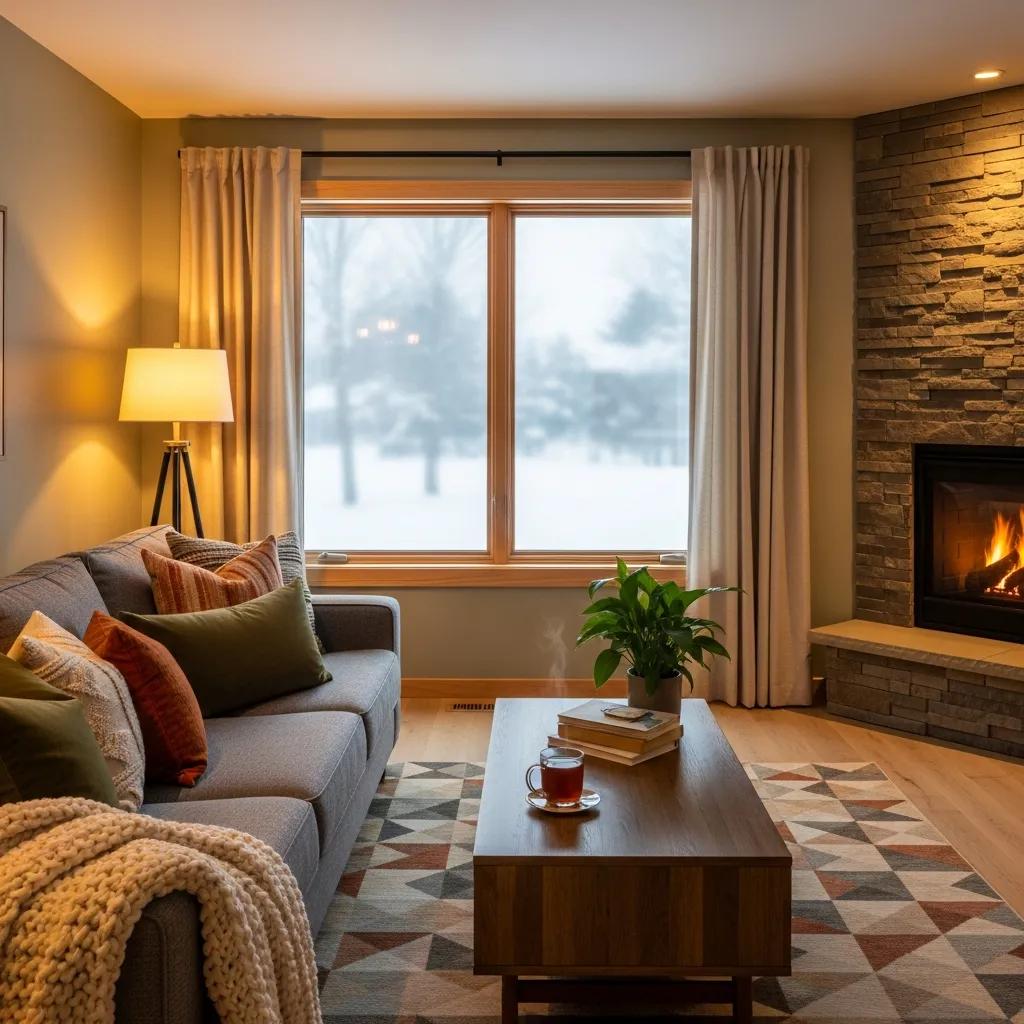
Looking for local insulation contractors near you? Our trusted experts ensure cozy homes with quality solutions. Get your free estimate today!
The Four Pillars of Comfort and Efficiency: Why Most Homes Are Missing at Least One

The four pillars of home comfort and efficiency are the key to a home that’s cool in summer, warm in winter, and affordable to run. However, most people don’t think about their attic, ductwork, or air leaks until something’s already wrong — and once you understand these four pillars, everything changes. For example, maybe you feel a hot draft in one room while the rest of the house is fine. Or perhaps your AC seems to run all day but still can’t keep up. In other cases, your utility bill might jump for no good reason. Here’s the truth: it’s almost never just your AC’s fault. After years of inspecting homes, I can tell you that real comfort and efficiency come from what I call The Four Pillars. If even one is missing, you’re leaving comfort (and money) on the table every single month. On the other hand, if you get them all right, your home works the way it should — cool in the summer, warm in the winter, and affordable to run. Pillar 1: Proper Insulation Think of insulation as your home’s thermal blanket. It slows down the transfer of heat — keeping it out during summer while holding it in during winter. Unfortunately, a lot of attics I see either don’t have enough insulation, or what’s there has been flattened, shifted, or damaged by pests and moisture. As a result, your HVAC system works double-time just to keep up. Signs your insulation might be failing you: In most climates, you want attic insulation at about R-49 for maximum efficiency. Otherwise, you’re paying for conditioned air that’s slipping right out of your home. Learn more about our attic insulation services »U.S. DOE’s recommended insulation levels » Pillar 2: Air Sealing Here’s something important to understand: insulation doesn’t stop air from moving — it just slows heat transfer. Therefore, air sealing is just as important. Every home has hidden gaps, cracks, and openings where indoor air escapes while outdoor air sneaks in. These are often found around attic hatches, recessed lights, plumbing penetrations, chimneys, or wiring holes. Without sealing those leaks, you’re essentially heating and cooling the outdoors. In fact, the U.S. Department of Energy estimates that air leaks can account for 25–40% of heating and cooling loss in the average home. Discover Cozy’s professional air sealing process » Pillar 3: Duct Sealing Your ductwork is the delivery system for all that heated or cooled air. But here’s the kicker — most homes lose 20–30% of that air before it even gets to the vents. Why? Small gaps, loose connections, and pinhole leaks in the ducts. Consequently, you end up with uneven temperatures, longer run times, dustier air, and a system that’s constantly overworked. Modern solutions like Aeroseal duct sealing fix leaks from the inside out — sealing holes you can’t even see — and ensuring every room actually gets the comfort you’re paying for. Learn more about Cozy’s Aeroseal duct sealing »Energy Star duct sealing overview » Pillar 4: An Efficient HVAC System This is the pillar most people think of first: their heating and cooling equipment. Yes, an efficient HVAC system that’s properly sized, installed, and maintained can make a huge difference. However, if your insulation is weak, your ducts are leaking, or your home is full of air leaks, even the best system will waste energy. When the other three pillars are solid, your HVAC doesn’t have to work nearly as hard. That means lower bills, better comfort, and a longer system lifespan. Explore Cozy’s HVAC replacement and installation services »Energy Star HVAC efficiency guide » Why All Four Work Together Think of your home like a bucket: If the bucket has holes or cracks, it doesn’t matter how much water you pour in — you’ll lose it. That’s exactly how homes waste energy every day. When all four pillars are in place, you get: See real customer results from Cozy projects » The Bottom Line The four pillars of home comfort and efficiency — insulation, air sealing, duct sealing, and HVAC — work together to cut bills, improve comfort, and make your home more efficient year-round. By addressing all four, you don’t just save money — you actually enjoy your home the way it was meant to be. It’s about making your home work as a complete system, with each pillar supporting the others. So, if you’ve been battling high energy bills, uneven temperatures, or an AC that never stops running, it’s worth finding out which pillar — or pillars — might be letting you down. Because once you fix them, you don’t just save money… you finally get to enjoy your home the way it was meant to be. Book your free attic inspection today »
Why Are My Energy Bills So High? The Hidden Attic Problem That’s Costing You
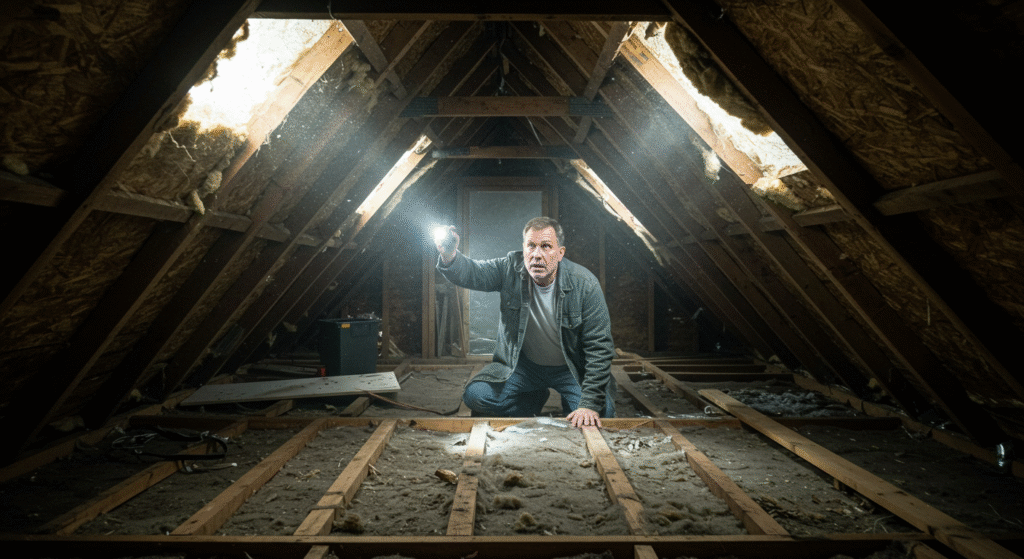
I’ve lost track of how many homeowners have called me up, puzzled and a little frustrated, asking the same thing: “Why are my energy bills so high? I’m careful with the thermostat, my AC is running constantly, but my costs keep climbing. What gives?” If you’re asking the same question — especially here in Arizona or anywhere with brutal summer heat — I’ll bet money I know where the problem starts. Hint: it’s not always your air conditioner. It’s what’s above your head. How Your Attic Drives Up Energy Costs Most folks don’t realize how big a role their attic plays in heating and cooling bills. If your house has an attic — and you’re like most homeowners — it’s probably acting like a giant, unwanted oven. In our scorching summers, your attic can easily hit temperatures of 140 to 160 degrees Fahrenheit. That’s hotter than the sidewalk outside. Now, if your attic insulation is old, thin, or poorly installed, all that heat doesn’t just stay put — it radiates down into your living spaces. It’s like setting a giant heating pad on your ceiling. Not exactly what you want when you’re paying good money to cool your home. When that happens, your AC works overtime trying to push the heat back out. It runs longer, cycles more often, and eats up far more energy than it should. That’s why upgrading your attic insulation is one of the smartest ways to lower energy bills — but more on that in a second. Why Leaky Air Ducts Waste Even More Energy Insulation is only half the story. Want to know another hidden energy leak? Your ductwork. Your air ducts are the pathways that deliver all that cold air your HVAC works so hard to produce. The trouble is, most ductwork runs right through that superheated attic. And guess what? Ducts leak — a lot. The U.S. Department of Energy estimates that up to 90% of homes have duct systems that leak conditioned air. On average, homeowners lose 20 to 30 percent of their cooled (or heated) air through gaps and loose connections in their ductwork. So, while your AC runs, that expensive cool air seeps right back into the attic — or worse, leaks outdoors altogether. It’s like trying to fill a bucket that has a bunch of tiny holes drilled in the bottom. You keep pouring money in, but you never see the benefit. The Real Cost of Poor Insulation and Duct Leaks When you add it all up, an attic that’s under-insulated — combined with leaking ducts — can cost you hundreds, if not thousands, of dollars over the years. Here’s the kicker: your AC system isn’t just using more energy; it’s wearing itself out. An overworked system will need more repairs and likely fail years earlier than it should. So you’re not only paying higher energy bills now — you’re also looking at bigger replacement costs down the line. Benefits of Upgrading Attic Insulation and Sealing Ducts The good news? You can fix this. Upgrading your attic insulation and properly sealing your ductwork can make a huge difference in your home’s energy efficiency. When we do attic upgrades for our customers, they often see up to 30% lower heating and cooling costs. Here’s what proper attic insulation and duct sealing can do for you: How to Know If Your Attic Is Wasting Energy Still wondering if your attic might be the reason your energy bills are so high? Here are a few signs to look for: If any of these ring a bell, you’re probably losing more money than you realize every single month. How Cozy Home Pros Helps Homeowners Lower Energy Bills At Cozy Home Pros, we know how frustrating high energy bills can be. That’s why we make it simple to get real answers. We provide: We’ve helped hundreds of Arizona homeowners take control of their energy costs and enjoy a more comfortable home. And we’d love to help you too. Get a Free Attic Checkup Today If you’re tired of asking “Why are my energy bills so high?” — let’s find out what’s really going on. It all starts with a simple attic inspection. We’ll show you exactly where your money is leaking out and what it will take to fix it. Contact us today or just send us a quick message with the word “ATTIC” to schedule your free checkup. You might be surprised how much you can save — and how much more comfortable your home can feel when your attic works for you, not against you. Key Takeaways: Lower Your High Energy Bills Ready to Keep More Money in Your Pocket? Follow Cozy Pros (@cozypros) on instagram for weekly tips on energy efficiency, attic upgrades, and all things home comfort. And remember: the comfort you want starts with what’s above your head.
Pearl Certification: Why It Matters for Arizona Homeowners

If you’re a homeowner in Arizona looking to boost your home’s value and efficiency, understanding pearl certification arizona is essential. This nationally recognized certification can make a significant difference for those who want to save on energy bills, improve indoor air quality, and increase home value. What is Pearl Certification? Pearl Certification is a program approved by the EPA and Department of Energy that certifies homes for high-quality energy efficiency upgrades. When you choose attic insulation, duct sealing, or HVAC upgrades from Cozy, you know your improvements meet strict standards for energy savings, comfort, and indoor air quality.Additionally, you can learn more at the official Pearl Certification website. How Pearl Certification Benefits Your Home Quality You Can Trust With pearl certification arizona, your insulation, duct sealing, or HVAC improvements follow industry best practices for energy efficiency and home performance. As a result, you benefit from lower power bills, improved comfort, and cleaner indoor air.Want to see real results? Check out our case studies from Arizona homeowners. Boosting Home Value Homes with this certification stand out in the Arizona real estate market. According to studies from the National Association of Realtors, certified homes can sell for up to 5% more. Buyers recognize the value of documented, energy-efficient upgrades, giving you a strong selling point.Learn about increasing home value with energy upgrades. Lowering Your Energy Bills By investing in attic insulation and duct sealing, you can cut your home’s power bills by 25-50%. Since HVAC systems account for up to 60% of home energy use, certification ensures you maximize your savings—especially during hot Arizona summers.For practical tips, read our blog: How Much Can Attic Insulation Save on Energy Bills? Healthier Indoor Air You want clean, healthy air in your home. This certification highlights upgrades that improve your indoor air quality. According to EPA studies, indoor air can be 2-5 times dirtier than outdoor air. Choose air scrubber installation and attic ventilation to protect your family’s health. Access to Rebates and Financing Many utilities and lenders recognize Pearl Certification. Therefore, you can qualify for exclusive rebates, incentives, and zero-down financing for energy-efficient upgrades. For more information, check out the Database of State Incentives for Renewables & Efficiency (DSIRE). Why Choose Cozy for Certified Home Upgrades? Cozy stands out as a Pearl-certified contractor in Arizona. We specialize in: Additionally, we offer free home inspections and customized solutions to maximize your energy savings and comfort. When you choose Cozy, you get upgrades that deliver quality, value, and trusted certification. Ready to Upgrade Your Arizona Home? If you want to improve your home with energy upgrades, ask us about pearl certification arizona. With Cozy, you get peace of mind, lower bills, and a healthier, more valuable home. Contact Cozy today for a free home inspection! Call (623) 292-4649 or visit www.livecozy.co. If you’re considering pearl certification arizona for your home, check out our attic insulation services to see how proper insulation can improve comfort and save energy.You can also learn more about duct sealing benefits and how energy upgrades can increase your home’s value. Many Arizona homeowners start with a free home inspection to identify the best improvements for pearl certification arizona. For more tips, read our blog post on how much attic insulation can save on energy bills.