Trusted Local Insulation Contractors for Cozy, Energy‑Efficient Homes
Cozy Home Performance Solutions is a local contractor offering attic and wall insulation, residential solar, HVAC installation and repairs, and other home performance upgrades. We’re licensed to work in Arizona and focused on helping homeowners lower bills and boost comfort. This article explains why working with local insulation pros matters and walks through attic insulation, spray foam options, insulation removal, duct sealing, and the energy upgrades that add value and comfort to your home.
Why choose professional attic insulation installation for your home?
Having your attic insulated by pros makes a real difference in comfort and energy use. The right insulation keeps heat out in summer and traps warmth in winter, so your HVAC doesn’t have to work as hard. That means lower energy bills, fewer temperature swings, and a longer life for your heating and cooling system. Professional installation also helps eliminate drafts and creates a more stable, comfortable indoor climate.
Cozy Home Performance Solutions installs attic insulation using proven materials and techniques so your home performs the way it should.
How does attic insulation improve home energy efficiency and comfort?
Attic insulation controls heat flow—keeping cool air inside during hot months and holding warmth in when it’s cold. That reduces HVAC runtime, cuts energy use, and steadies indoor temperatures. Proper insulation also helps stop drafts and makes living spaces feel more comfortable year‑round.
Research supports the big role sealed, well‑insulated attics play in steady thermal performance and energy savings.
Sealed & Insulated Attics — Thermal & Energy Performance
Well‑sealed, insulated attics should keep attic air within about ±10°F of the conditioned house. Past examples often used too little insulation (around R‑20) and allowed too much air leakage, hurting thermal performance. For high performance, sealed attics should meet at least the flat ceiling insulation requirements in code, and attic envelopes and ducts should be airtight. In well‑built sealed attics, duct leakage to the outside is expected to be under 2% of the HVAC system.
A Literature Review of Sealed and Insulated Attics—Thermal,
Moisture and Energy Performance, I Walker, 2016
What types of attic insulation materials do local contractors use?
- Fiberglass: Affordable and effective for thermal resistance, a common go‑to.
- Cellulose: Made from recycled paper — an eco‑minded option with good sound control.
- Spray foam: Expands to seal gaps, offering strong air sealing and insulation in tight spots.
Each material has benefits and trade‑offs; the right choice depends on your home, goals, and budget.
How can spray foam insulation contractors enhance your home’s performance?
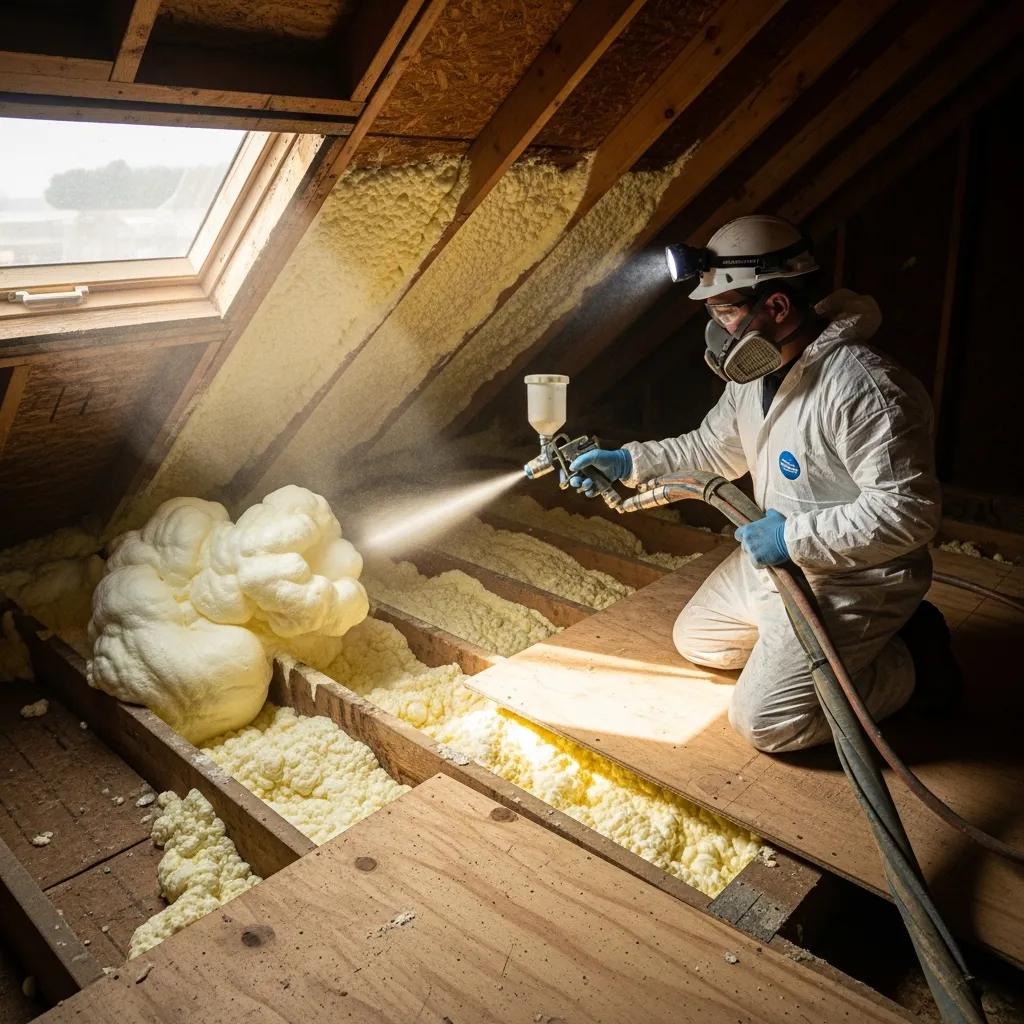
Spray foam is a high‑performance option that expands to fill gaps and create an airtight barrier. That not only improves thermal performance but also reduces infiltration of dust and outdoor allergens when installed correctly. For many homes, spray foam delivers measurable comfort and efficiency gains.
What are the benefits of spray foam insulation compared to other types?
- Superior air sealing: The expanding foam fills cracks and voids to stop drafts.
- High energy efficiency: Spray foam has a strong R‑value per inch, helping lower energy bills.
- Moisture resistance: Properly installed foam can limit moisture intrusion and reduce mold risk.
For areas with lots of gaps or irregular framing, spray foam is often the best performer.
How do local contractors ensure quality spray foam installation?
- Training and certification: Installers complete specialized training so applications meet safety and performance standards.
- Quality control: Contractors follow protocols and inspections to confirm correct coverage and curing.
- Warranties and guarantees: Many offer workmanship warranties to give homeowners confidence in the result.
These steps help make sure spray foam works as intended and delivers long‑term benefits.
What are the costs and benefits of insulation removal services?
Removing old or contaminated insulation can be necessary to restore performance and indoor air quality. Once removed, you can replace it with modern materials that improve energy efficiency and comfort.
When is insulation removal necessary for home energy upgrades?
- Ineffective insulation: Damaged, compressed, or settled insulation no longer performs as designed.
- Health concerns: Mold, moisture damage, or pest contamination mean insulation should be removed for safety.
- Upgrades: Removing old material is often required before installing higher‑performance insulation.
How do local contractors calculate insulation removal cost?
- Size of the area: Bigger spaces mean higher removal costs.
- Type of insulation: Some materials need special handling or disposal, which affects price.
- Accessibility: Hard‑to‑reach attics or crawlspaces require more time and equipment.
Knowing these factors helps homeowners budget and plan for removal and replacement work.
Why are local duct sealing services essential for a cozy home?
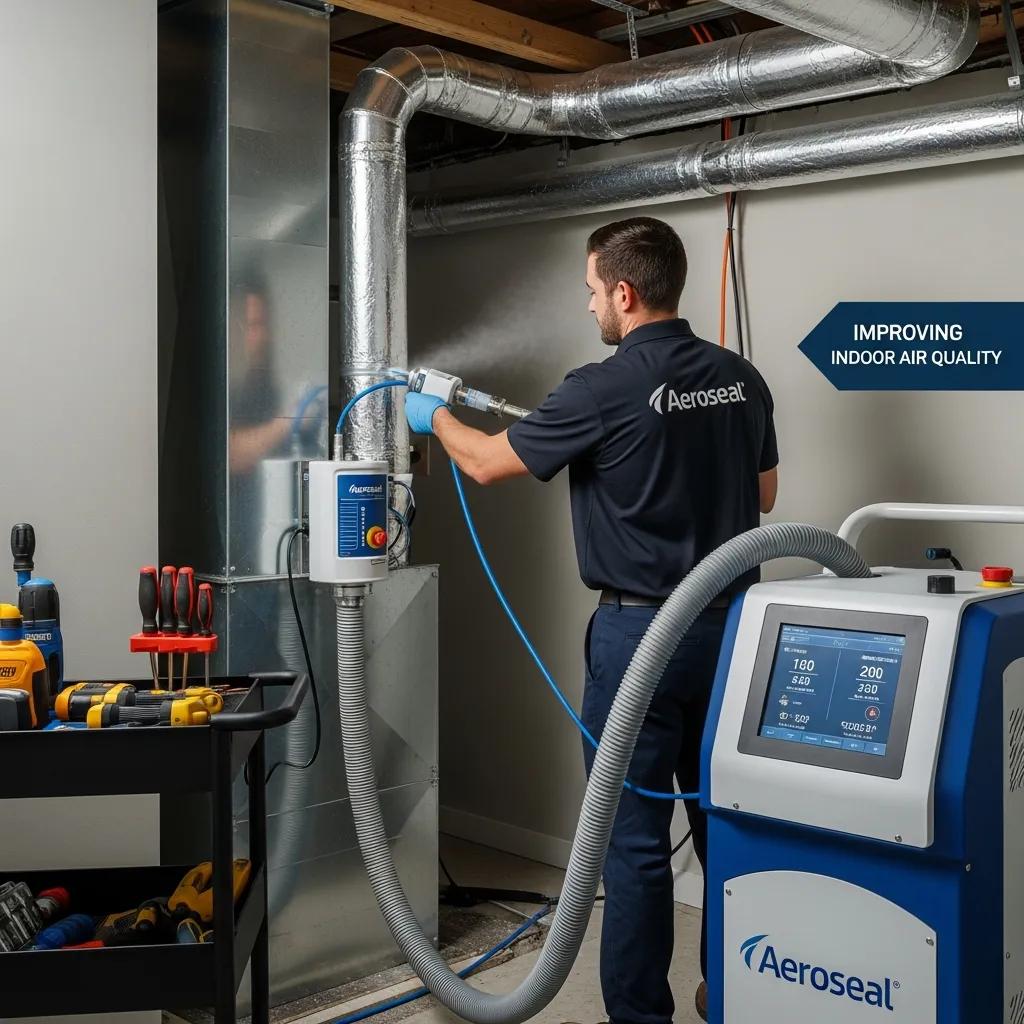
Sealing ducts keeps conditioned air where it belongs so your HVAC runs less and performs better. Proper duct sealing can reduce energy loss by roughly 20–30%, improve comfort, and help avoid costly system repairs or early replacements.
How does Aeroseal duct sealing improve indoor air quality and energy savings?
Aeroseal seals leaks from inside the ductwork, reducing air loss and preventing dust and allergens from being drawn into the system. The result is improved efficiency, better airflow, and a healthier indoor environment.
Field studies back up how advanced duct‑sealing methods boost energy performance and airflow distribution.
Duct Sealing & Side‑Wall Insulation for Energy Efficiency
Field tests of aerosol spray duct sealing show it should be used alongside air sealing and side‑wall insulation diagnostics to assess room airflow and distribution. When combined with other weatherization measures, aerosol duct sealing improves system performance and indoor air movement.
Field Test of Advanced Duct‑
Sealing Technologies within the Weatherization Assistance Program, MP Ternes, 2001
What should homeowners expect during a professional duct sealing service?
- Initial assessment: Technicians inspect ducts to find leaks and check overall condition.
- Sealing process: Aeroseal or similar technology is used to seal leaks from the inside out.
- Post‑service evaluation: A follow‑up test confirms improved duct tightness and system performance.
This full approach ensures your ducts are sealed correctly and your HVAC runs more efficiently.
How do home energy efficiency upgrades increase home value and comfort?
Energy upgrades—like better insulation and energy‑efficient windows—make homes more comfortable and cost less to operate. They can also be attractive to buyers and add resale value.
- Reduced energy usage: Efficient windows and insulation can lower energy use by 10–25%, cutting utility bills.
- Improved HVAC efficiency: Less strain on the heating and cooling system helps it last longer and run better.
- Enhanced comfort: Fewer drafts and steadier temperatures make living spaces more pleasant year‑round.
- Environmental benefits: Using less energy reduces fossil fuel use and appeals to eco‑minded buyers.
- Quality and longevity: High‑performance products are built to last and improve overall home quality.
- Peace of mind: Professional installation and warranties give buyers and owners added confidence.
Together, these upgrades improve daily living and increase a home’s market appeal.
What is Pearl Certification and how does it validate energy upgrades?
Pearl Certification is a third‑party rating that documents a home’s energy efficiency and sustainability improvements. Having a Pearl certificate can help show buyers the value of your upgrades and potentially improve resale prospects.
Which financing options make energy upgrades accessible?
- Home equity loans: Borrow against your home’s equity to fund upgrades.
- Grants and rebates: Federal, state, and local programs often offer incentives to lower upgrade costs.
- Low‑interest financing: Some lenders and contractors offer special financing for energy projects.
These options can make it easier to invest in improvements that pay back through savings and comfort.
| Insulation Type | Cost per Square Foot | Benefits |
|---|---|---|
| Fiberglass | $0.50 – $1.50 | Affordable, effective thermal resistance |
| Cellulose | $0.75 – $1.50 | Eco‑friendly, good soundproofing |
| Spray Foam | $1.00 – $3.50 | Superior air sealing, high R‑value |
| Duct Sealing Method | Cost | Benefits |
|---|---|---|
| Manual Sealing | $300 – $600 | Basic sealing, labor‑intensive |
| Aeroseal | $1,000 – $2,500 | Effective, quick, improves air quality |
Local insulation contractors play a key role in improving home comfort and energy efficiency. Choosing professional services for attic insulation, spray foam, duct sealing, and other upgrades helps homeowners enjoy a cozier home and a stronger property value.
Frequently Asked Questions
What are the signs that my home needs insulation upgrades?
Look for consistent temperature swings between rooms, high energy bills, drafts, or visible moisture and mold in the attic or walls. If your home is too hot in summer or too cold in winter, or your HVAC seems to run constantly, it’s a good time to check insulation.
How long does insulation installation typically take?
Installation time depends on the project size and insulation type. Small jobs like attic top‑ups can finish in a few hours to a day, while whole‑home projects may take several days. Your contractor can give a more precise timeline after an inspection.
Are there any health risks associated with old insulation?
Old or contaminated insulation can pose risks if it has mold, moisture damage, pests, or hazardous materials like asbestos. Compromised insulation can worsen indoor air quality and cause respiratory issues. If you suspect problems, have a professional inspect and, if needed, remove it safely.
What should I consider when choosing insulation materials?
Consider R‑value (thermal resistance), cost, environmental impact, and installation needs. Cellulose is eco‑friendly, fiberglass is budget‑friendly, and spray foam offers strong air sealing. A local contractor can recommend the best fit for your home and goals.
How can I maintain my insulation over time?
Regular inspections help catch moisture, pests, or settling early. Keep attics and crawlspaces ventilated and address leaks quickly. Periodic professional assessments can also confirm performance and suggest upgrades when needed.
What are the benefits of energy efficiency upgrades beyond insulation?
Upgrades like energy‑efficient windows, modern HVAC systems, and smart thermostats reduce bills, boost comfort, and increase resale appeal. They also cut energy waste and can attract buyers who value lower operating costs and sustainability.
Conclusion
Local insulation contractors help make homes more comfortable, efficient, and valuable. Investing in professional insulation, duct sealing, and other energy upgrades reduces bills, improves indoor comfort, and adds market appeal. Ready to make your home cozier and more efficient? Explore trusted local contractors and start planning your upgrade today.