Smart Insulation: Comfort & Savings
Good insulation makes a home feel better and costs less to run. This guide walks you through practical insulation options, why R-values matter, where to focus your upgrades, how air sealing helps, and when to call a pro. If your house leaks heat or cool air, the right insulation choices can cut bills, boost comfort, and reduce your home’s environmental impact. Read on to learn the sensible steps homeowners take to improve performance and comfort.
What is energy-smart insulation — and why it matters
Energy-smart insulation includes materials and methods that slow heat flow so your home holds temperature with less energy. Proper insulation keeps warm air in during winter and cool air in during summer, lowering energy use and utility bills. Beyond saving money, better insulation reduces a household’s carbon footprint. For most homeowners, understanding insulation is the first step to a more comfortable, efficient home.
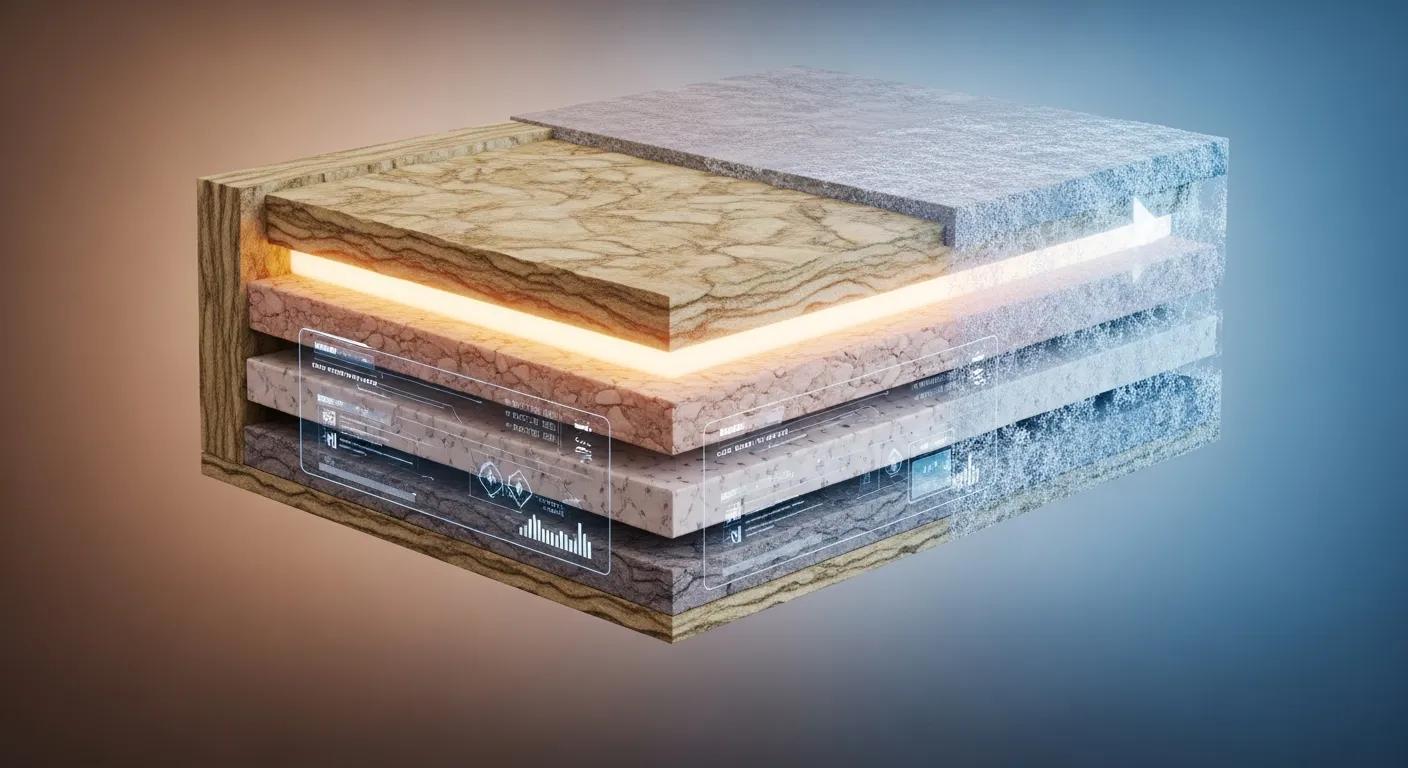
Recent studies show pairing insulation with phase change materials (PCMs) can noticeably boost a home’s thermal performance.
PCM & Thermal Insulation for Residential Energy Efficiency
Combining phase change materials (PCM) with conventional thermal insulation can improve the energy efficiency of residential buildings by increasing thermal storage and smoothing temperature swings.
How insulation makes your home more efficient and comfortable
Insulation slows heat transfer, so your HVAC system spends less time fighting temperature swings. Properly insulated homes can see up to 30% less heat loss in some areas, which translates to lower energy bills. Insulation also reduces drafts and cold spots, giving you a steadier, more even indoor temperature throughout the house.
Environmental and financial upsides of better insulation
When your home uses less energy, you lower emissions and shrink your carbon footprint. Financially, insulation is often one of the fastest ways to reduce monthly energy costs. Many homeowners also qualify for rebates or tax incentives that lower upfront costs, so the long-term return on a quality insulation upgrade can be substantial.
Which insulation materials deliver the best energy savings?
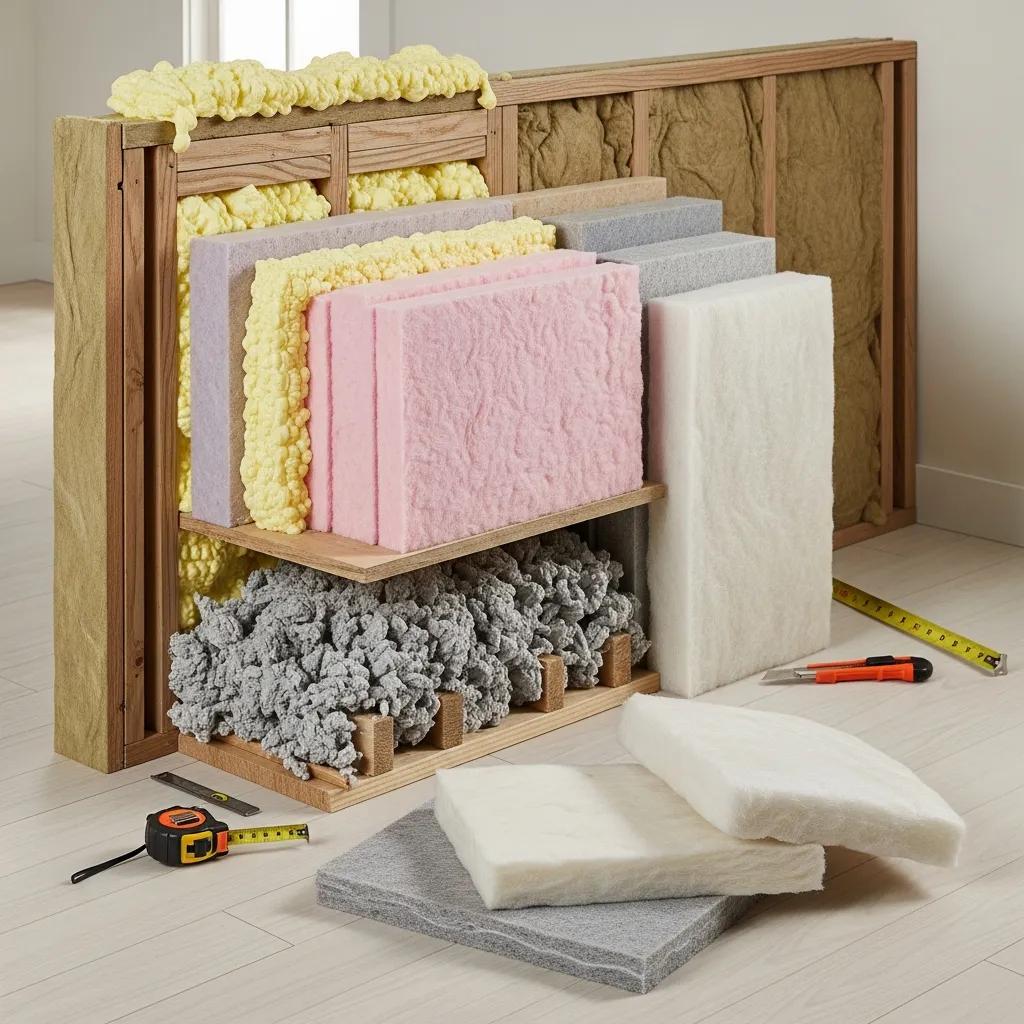
Every insulation material has trade-offs: thermal performance, cost, installation complexity, and environmental impact. Choosing the right option depends on where you’re insulating, your budget, and whether you need air-sealing or moisture control as part of the solution.
Spray foam: strengths and trade-offs
Spray foam offers high R-values and seals gaps that other materials miss, expanding to fill voids and reduce air leaks. Its airtighting benefits improve overall performance, but spray foam tends to cost more and usually requires professional installation to get the expected results.
Fiberglass, cellulose, and mineral wool — a quick comparison
| Insulation Type | R-Value per Inch | Cost per Square Foot | Environmental Impact |
|---|---|---|---|
| Fiberglass | 2.9 – 3.8 | $0.40 – $1.00 | Non-renewable, but recyclable |
| Cellulose | 3.2 – 3.8 | $0.60 – $1.20 | Made from recycled paper, eco-friendly |
| Mineral Wool | 3.0 – 3.3 | $0.70 – $1.50 | Made from natural or recycled materials |
Fiberglass is affordable and common; cellulose performs well and uses recycled material; mineral wool adds fire resistance and sound control but can cost more. Match the material to the space, your budget, and any moisture or fire-safety needs.
How R-value affects insulation performance and your choices
R-value measures a material’s resistance to heat flow — higher R means better thermal resistance. Use recommended R-values for each area of your home to choose materials that perform well in your climate and deliver the savings you expect.
Recommended R-values by climate zone and home area
| Climate Zone | Attic R-Value | Wall R-Value | Floor R-Value |
|---|---|---|---|
| Zone 1 | R-30 | R-13 | R-19 |
| Zone 2 | R-38 | R-15 | R-25 |
| Zone 3 | R-49 | R-19 | R-30 |
Using an R-value guide to pick materials
Start with the recommended R-value for your climate and the part of the house you’re insulating. Then compare materials that meet that R-value, factoring in cost and installation. Choosing the right R-value for each area helps you balance comfort, energy savings, and budget.
Which areas of the home give the biggest efficiency gains from insulation?
Targeting the right areas makes upgrades more effective. Attics, exterior walls, floors over unheated spaces, basements, and ducts are all high-impact spots where better insulation pays off most.
Why attic insulation matters for savings and comfort
Because heat rises, a poorly insulated attic is a major source of energy loss. Adding or upgrading attic insulation can cut heating and cooling costs significantly — studies show savings up to around 20% — and help keep indoor temperatures steady year-round.
Basements, crawl spaces, and ducts: why they shouldn’t be ignored
Insulating basements, crawl spaces, and ducts prevents lost conditioned air and helps control moisture. Proper duct insulation can reduce energy loss by roughly 20–30%, making heating and cooling systems more efficient and improving indoor air quality. Insulation AZ
How air sealing works with insulation to boost performance
Insulation slows heat flow; air sealing stops unwanted drafts. Together they make insulation more effective. Without proper air sealing, gaps and leaks undermine even high-R-value materials.
Where air leaks hide and the best ways to seal them
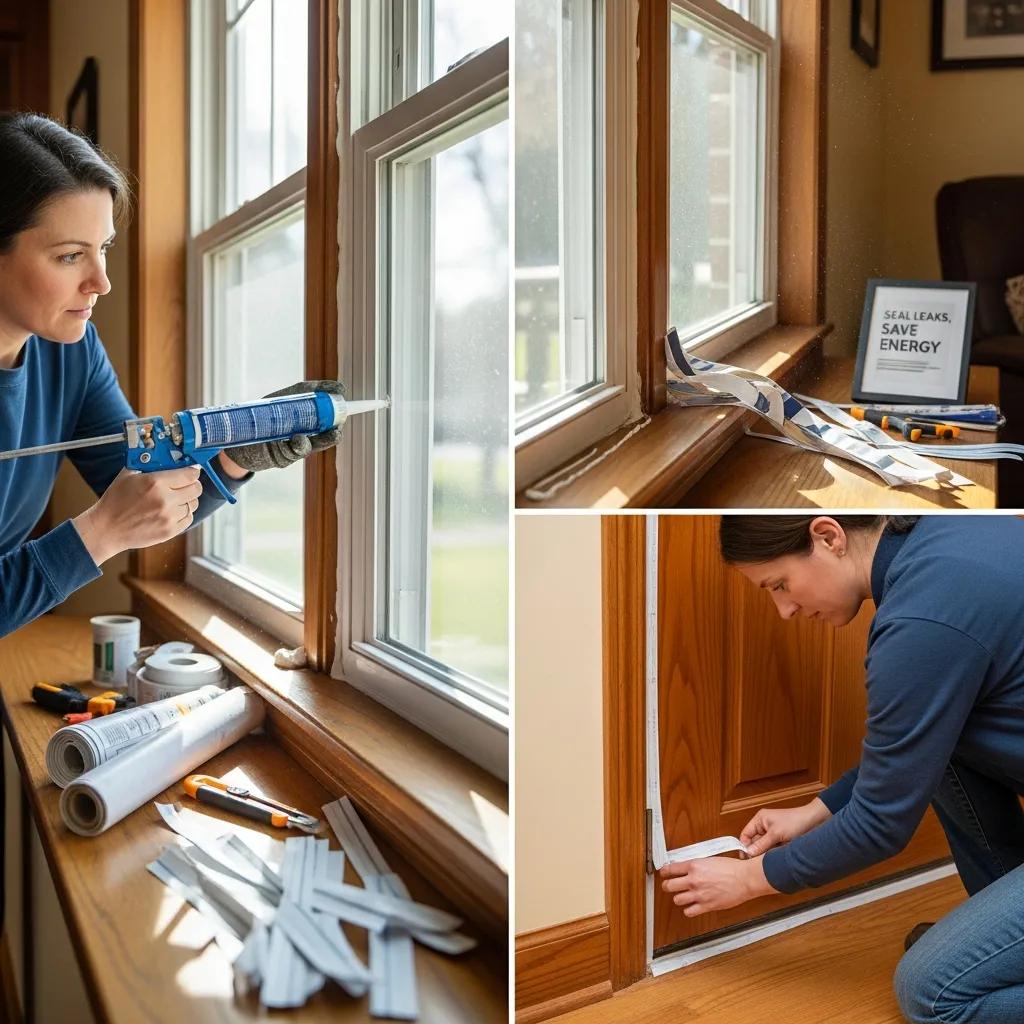
Look for leaks around windows, doors, outlets, plumbing and wiring penetrations, and attic hatches. Effective fixes include caulk, weatherstripping, and targeted spray foam. Sealing these gaps improves comfort and lets your insulation do its job.
Research supports combining air sealing with wall insulation in existing homes to achieve the best energy performance.
Wall Air Sealing & Insulation Methods for Existing Homes
Air sealing paired with wall insulation improves retrofit performance — closing leaks first helps insulation deliver its full thermal benefit in existing homes.
How Aeroseal duct sealing helps efficiency and indoor air quality
Aeroseal uses an aerosol to seal leaks inside ducts from the inside out. The result is less conditioned air lost in the system, improved HVAC efficiency, and often better indoor air quality because dust and allergens have fewer paths to circulate.
Field studies show advanced aerosol-based duct sealing can meaningfully reduce duct leakage and improve whole-home efficiency.
Advanced Duct Sealing & Insulation for Home Energy Efficiency
Aerosol duct-sealing methods, when combined with air-sealing and insulation diagnostics, can improve airflow distribution and lower energy losses in residential systems.
Which home areas offer the biggest energy savings with insulation?
Proper installation is critical. Certified contractors know how to size, place, and install insulation so it performs as intended. They follow best practices to avoid gaps, compression, and moisture problems that lower effectiveness.
Why hire certified contractors like Live Cozy Co?
Certified teams offer trained crews, free inspections to identify weak spots, and financing options to make upgrades manageable. Working with experienced installers reduces rework and helps ensure you see the expected energy savings and comfort improvements.
What Pearl Certification means for home value and performance
Pearl Certification recognizes homes with strong energy performance. Earning the certificate can make a home more attractive to buyers and provide a clear report on energy-related upgrades and opportunities, helping homeowners prioritize improvements that raise value and lower operating costs.
Frequently Asked Questions
What should I consider when choosing insulation materials?
Consider R-value, cost, environmental impact, and how each material is installed. Higher R-values give better resistance to heat flow, but installation and durability matter too. Balance upfront cost with long-term savings, and account for moisture or fire-safety needs. If you’re unsure, a professional assessment can help match materials to each area of your home.
How can I tell if my current insulation is working well?
Signs of poor insulation include drafts, noticeable cold or hot spots, and rising energy bills. Inspect attics, basements, and exposed walls for gaps, compression, or moisture damage. A home energy audit or blower-door test gives a clear picture of performance and helps prioritize fixes.
What are the downsides of DIY insulation work?
DIY can save money, but mistakes — like gaps, compressed insulation, or missing air sealing — reduce effectiveness and can cause moisture issues. Some materials, such as spray foam, need special equipment and training. For complex jobs or systems tied to your HVAC or structure, hiring a pro is usually safer and more effective.
How often should insulation be checked or replaced?
Inspect insulation every few years and after events like leaks, pest infestations, or major renovations. Replace or repair visible damage, mold, or material that’s settled or compressed. Regular checks help maintain efficiency and prevent problems before they become costly.
How does ventilation relate to insulation?
Ventilation prevents moisture buildup and preserves indoor air quality, both of which protect insulation performance. Proper attic and whole-house ventilation balances temperature and humidity so insulation can work without trapping moisture or encouraging mold.
Are there incentives for upgrading insulation?
Yes. Many federal, state, and local programs offer rebates, tax credits, or incentives for energy-efficiency upgrades, including insulation. Check local utility programs and government resources to find incentives that can offset installation costs.
Conclusion
Upgrading insulation is a practical way to boost comfort, lower utility bills, and reduce your home’s environmental impact. By choosing the right materials, sealing air leaks, and using qualified installers, homeowners can unlock long-lasting benefits. If you’re ready to improve your home’s performance, consider a professional inspection to create a tailored plan that meets your goals.