
Introduction: How Energy Waste Impacts Your Home
Wasting energy at home isn’t just bad for the environment—it also drains your wallet. Many homeowners don’t realize their homes are hemorrhaging energy until they notice skyrocketing utility bills. The good news? Identifying the problem is the first step toward fixing it. In this guide, we’ll explore ten telltale signs your home is wasting energy and provide actionable solutions to improve efficiency, lower costs, and create a more comfortable living space.
Sign #1: High Energy Bills
One of the biggest red flags that your home is wasting energy is a steep increase in your monthly utility bills. If your energy usage remains consistent but costs keep rising, your home may have leaks, inefficient appliances, or outdated insulation.
How to Fix It:
- Compare your bills to past months and your neighbors’ average usage.
- Upgrade to energy-efficient appliances with the ENERGY STAR® label.
- Schedule an energy audit to pinpoint areas of waste.

Sign #2: Uneven Temperatures
Do certain rooms in your home feel significantly warmer or colder than others? This can indicate poor insulation, air leaks, or an inefficient HVAC system.
How to Fix It:
- Seal gaps around windows, doors, and vents.
- Check for insulation issues in your attic, basement, and walls.
- Use ceiling fans to help distribute air evenly.

Sign #3: Drafty Rooms
If you feel a noticeable breeze indoors even when all windows and doors are closed, your home likely has air leaks. Drafty rooms make it harder to maintain a comfortable temperature, forcing your heating and cooling system to work overtime.
How to Fix It:
- Apply weatherstripping to doors and windows.
- Use caulk or spray foam to seal small gaps and cracks.
- Install draft stoppers under doors.

Sign #4: AC or Heater Running Constantly
Does your HVAC system seem to be working non-stop? This is a sign that it’s struggling to maintain the set temperature, which could be due to poor insulation, dirty air filters, or aging equipment.
How to Fix It:
- Change air filters every 1–3 months.
- Invest in a programmable or smart thermostat.
- Have your HVAC system professionally inspected and serviced.
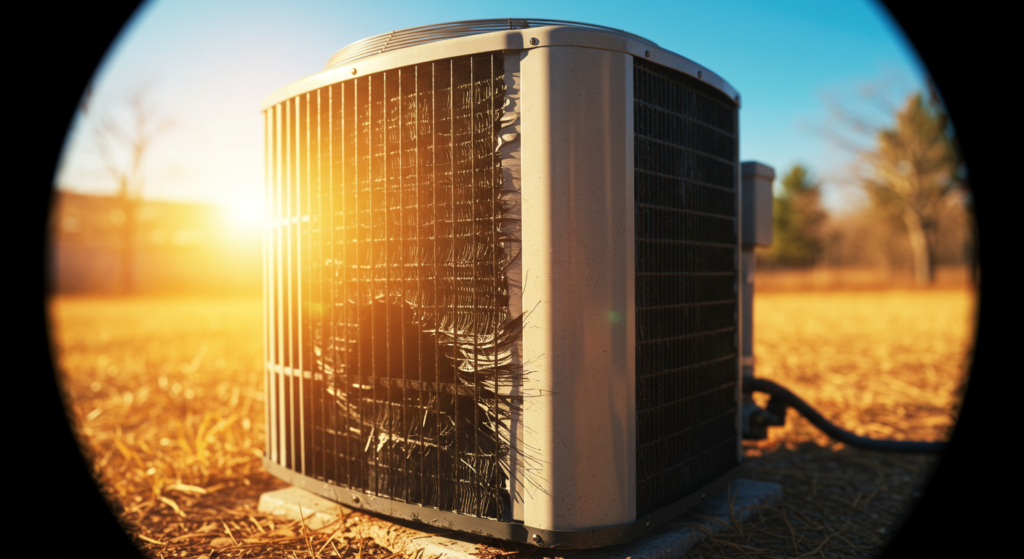
Sign #5: Ice Dams in Winter (For Colder Climates)
Ice dams form when heat escapes from your attic, causing snow on the roof to melt and refreeze at the edges. This not only wastes energy but also leads to roof damage.
How to Fix It:
- Improve attic insulation and ventilation.
- Seal air leaks in the attic.
- Use a roof rake to remove excess snow before it melts.
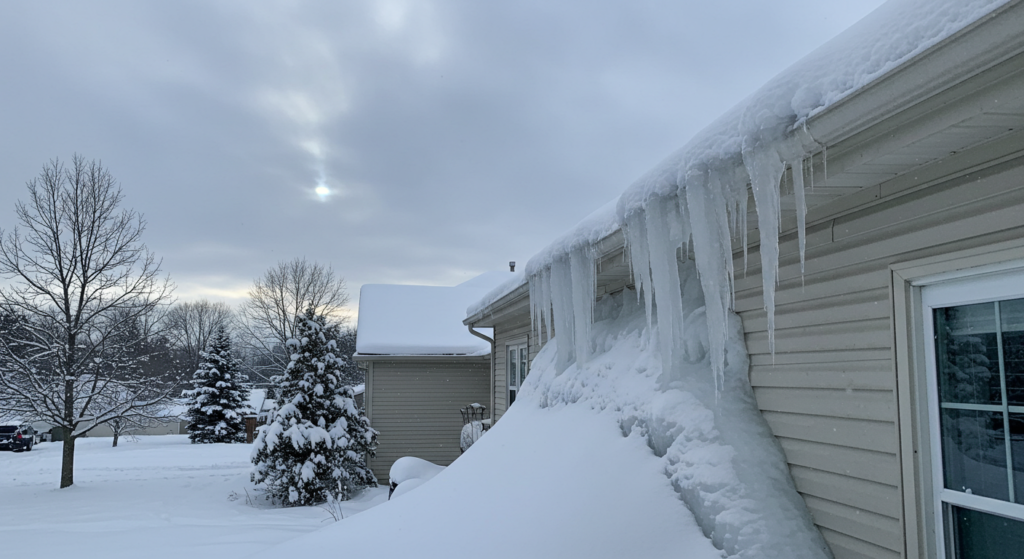
Sign #6: Dust Buildup from Leaky Ducts
If you notice excessive dust despite regular cleaning, your ductwork may have leaks. Leaky ducts pull in dust and allergens from unconditioned spaces, lowering indoor air quality and reducing HVAC efficiency.
How to Fix It:
- Seal duct leaks with mastic sealant or metal tape.
- Schedule a professional duct inspection.
- Change air filters frequently.

Sign #7: Single-Pane or Old Windows
Older windows—especially single-pane ones—allow heat to escape in the winter and enter in the summer, making your HVAC system work harder.
How to Fix It:
- Upgrade to double- or triple-pane windows.
- Use insulating window films or thermal curtains.
- Apply weatherstripping and caulking to window frames.
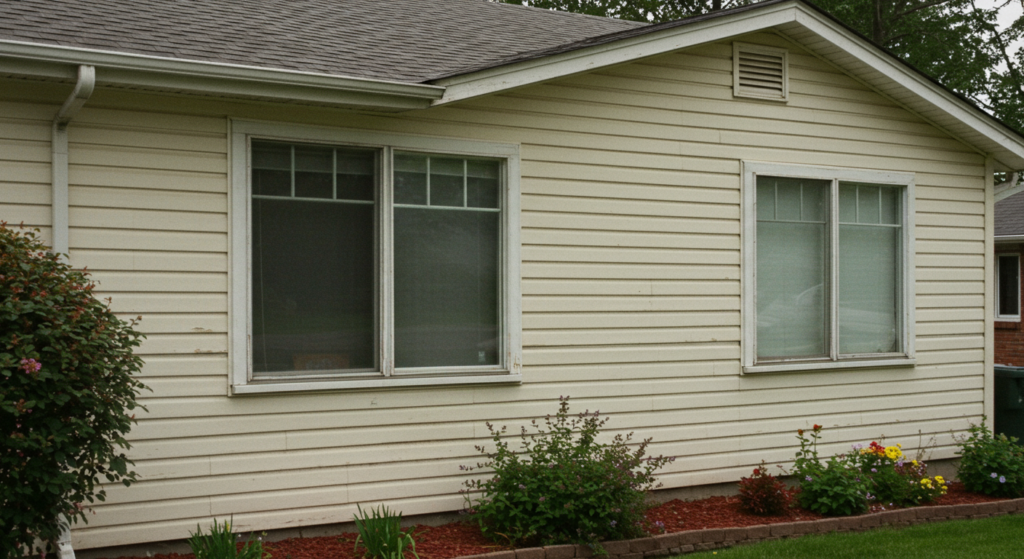
Sign #8: Poor Attic Insulation
Your attic plays a major role in maintaining your home’s temperature. If it lacks sufficient insulation, heat can escape in the winter and enter in the summer.
How to Fix It:
- Check your attic’s insulation level (recommended: R-38 or higher).
- Add or replace insulation as needed.
- Seal attic air leaks with foam or caulk.
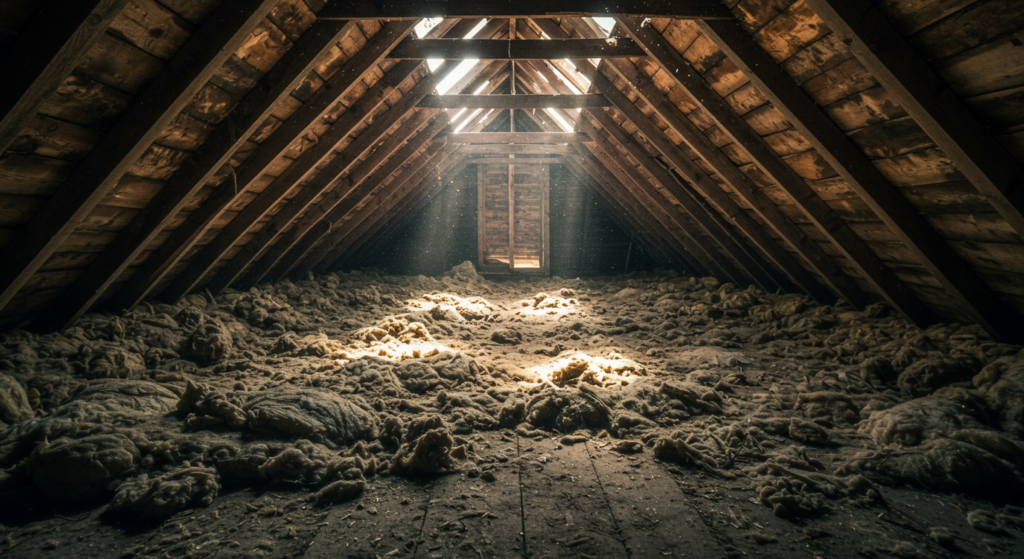
Sign #9: Appliances Running Inefficiently
Older or poorly maintained appliances consume more energy than necessary. A refrigerator running constantly or a dryer taking longer than usual to dry clothes are signs of inefficiency.
How to Fix It:
- Upgrade to energy-efficient appliances.
- Clean refrigerator coils and dryer vents regularly.
- Use appliances during off-peak hours to reduce strain on the power grid.
Sign #10: High Humidity Levels
Excess humidity can indicate inefficient heating and cooling or air leaks. High humidity not only makes your home uncomfortable but also leads to mold growth and increased cooling costs.
How to Fix It:
- Use a dehumidifier in damp areas.
- Improve ventilation in bathrooms, kitchens, and basements.
- Seal air leaks to prevent outside moisture from entering your home.

Solutions: How to Stop Energy Waste
If you’ve identified any of these signs in your home, it’s time to take action. Here are some of the best ways to improve your home’s energy efficiency:
1. Insulation & Air Sealing
- Add insulation to attics, walls, and floors.
- Use spray foam or caulk to seal air leaks.
2. Duct Sealing & HVAC Maintenance
- Have your ductwork inspected and sealed.
- Change air filters regularly and schedule routine HVAC tune-ups.
3. Smart Thermostats & Energy-Efficient Appliances
- Install a programmable or smart thermostat.
- Upgrade to ENERGY STAR® appliances.
4. Window & Door Upgrades
- Replace old windows with energy-efficient models.
- Use weatherstripping and curtains to reduce drafts.
Conclusion: Schedule a Home Energy Audit
If you’re serious about improving your home’s energy efficiency, consider scheduling a professional energy audit. Experts use infrared cameras and blower door tests to detect hidden energy leaks and recommend the best solutions for your home.
By taking action now, you’ll not only save money on energy bills but also increase your home’s comfort and reduce your carbon footprint. Start with small changes today, and watch the savings add up over time!
FAQs
1. What is the biggest energy waste in most homes?
The biggest sources of energy waste include poor insulation, air leaks, inefficient HVAC systems, and outdated appliances.
2. How can I tell if my windows are energy inefficient?
If you feel drafts near windows, notice condensation between panes, or see higher energy bills, your windows may be inefficient.
3. Will a smart thermostat really save money?
Yes! Smart thermostats can reduce heating and cooling costs by automatically adjusting temperatures based on your schedule and preferences.
4. How often should I replace my home’s insulation?
Insulation typically lasts 20–30 years, but you should check it regularly for signs of deterioration, moisture damage, or settling.
5. Can sealing air leaks really make a difference?
Absolutely! Sealing leaks can reduce energy waste by up to 20%, making your home more comfortable and lowering bills.
6. How much does a home energy audit cost?
A professional energy audit typically costs between $100 and $500, but some utility companies offer free or discounted audits.